Analysis
F1’s 2026 technical regulations demand unprecedented engineering efforts
The 2026 Formula 1 technical regulations are forcing extensive overhauls in car design and powertrain development across the grid.
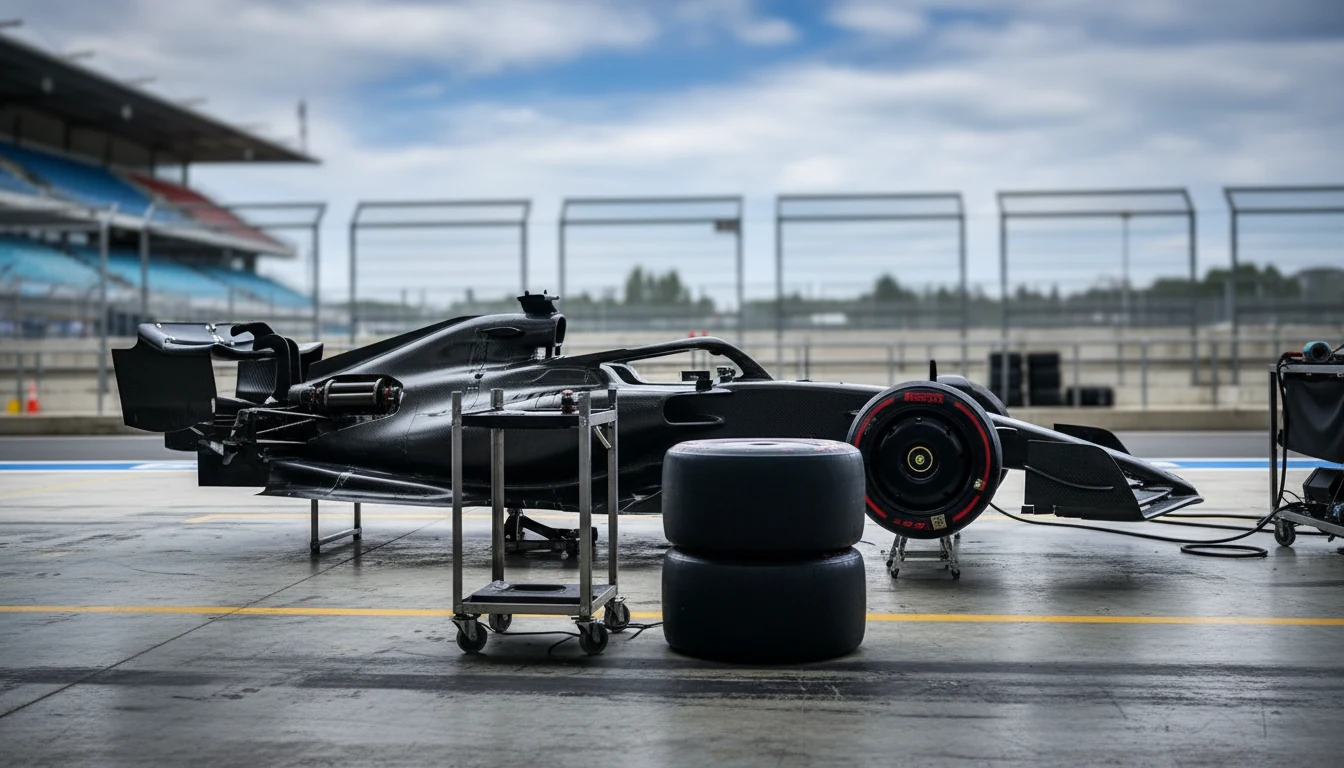
The 2026 Formula 1 season marks a significant technical evolution, necessitating extensive overhauls in car design and powertrain development across all teams. These revised regulations are reshaping the vehicles and redefining their power units, consequently placing immense pressure on hundreds of engineers and technicians working within Formula 1 factories worldwide.
Powertrain Development Intensifies
At Mercedes High Performance Powertrains in Brixworth, preparations are underway for a substantial engine cycle transition. This facility, responsible for the power unit that propelled Mercedes-AMG Petronas Formula 1 Team to eight consecutive Constructors’ Championships between 2014 and 2021, is now focused on developing the new engine for 2026. This next-generation power unit will supply not only Mercedes but also three other teams on the grid. Hyundai Thomas, the Brixworth boss, is overseeing this critical development phase, which represents a significant transition period for Formula 1’s engine suppliers as they adapt to the stringent new specifications, according to BBC Sport.
Chassis Design Challenges
Concurrently, Mercedes-AMG Petronas Formula 1 Team’s main factory in Brackley is engaged in parallel development efforts. James Allison, the team’s Technical Director, is managing all other aspects of the 2026 car’s design. Allison, a British engineer with over three decades of experience in Formula 1, has reportedly described these rule changes as the “biggest ever” in the sport’s history, indicating the scale of the challenge for chassis and aerodynamic departments, according to BBC Sport. Teams such as MoneyGram Haas F1 Team are also integrating their development efforts, with both sides of the garage collaborating closely in anticipation of the new era.
Driver Engagements and Finnish Presence
While engineering teams are working at full capacity, drivers are currently in a period of respite before the demands of the 2026 season commence. Kimi Antonelli, the Italian Mercedes-AMG Petronas Formula 1 Team star, is spending time with family and friends following a strong season where he leads the Drivers’ Championship with 219 points, securing six wins across 11 rounds. Valtteri Bottas, a Finnish driver, is preparing for his return to the grid with Cadillac Formula 1 Team for the 2026 season. Bottas, currently without points for the season, will aim for a stronger performance with his new team. The next Grand Prix event, the Dutch Grand Prix, is scheduled to commence with its first session on Friday, August 21st, at 13:30 Finnish time, as a sprint weekend format approaches.
Strategic Implications for the Grid
The fundamental changes to both power units and aerodynamic regulations are likely to reshuffle the competitive order, potentially offering opportunities for teams that adapt most effectively. The significant investment and technical expertise required mean that early development successes will be crucial for establishing a competitive advantage in the 2026 season. Teams are balancing current season performance with future development, a strategic decision that could have long-term implications for their championship aspirations.
Status And Sources
This story is labelled Analysis, which means this is our reading of facts that are already established. The rules behind those labels are in the editorial policy, and the desk that published it is Eero Lahtinen.
Written from the following reporting. Each link goes to the newsroom's own page, not to an aggregator:
- BBC Sportbbc.co.uk